Is bflix Safe and Legal? Security, Privacy & What You Need to Know
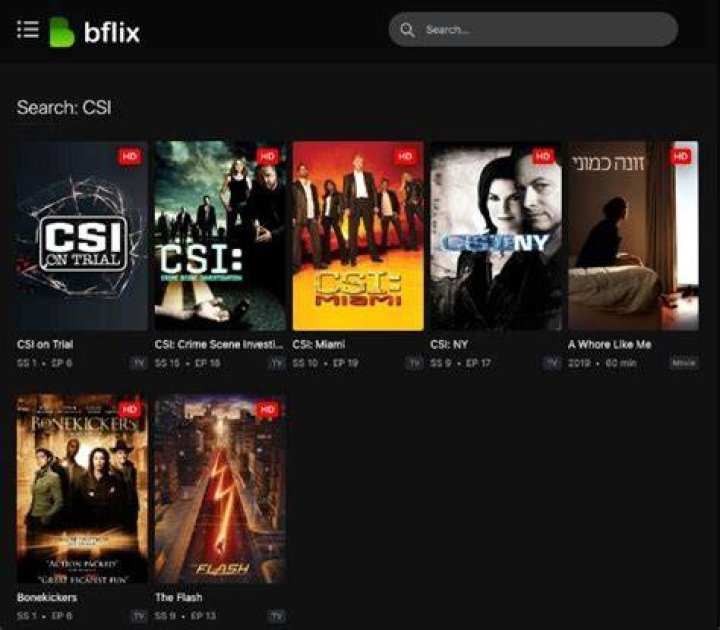
Ready to explore bflix?
Direct portal access to bflix.
Streaming platforms have transformed how we consume entertainment, but questions about safety and legality remain paramount for users exploring their options. When it comes to bflix, many viewers wonder whether accessing content through this platform poses security risks or legal consequences. Understanding the distinction between legitimate streaming services and unauthorized alternatives is crucial for protecting both your devices and your legal standing.
This guide examines the safety and legal considerations surrounding bflix, exploring everything from malware risks and data privacy concerns to copyright implications and potential consequences. Whether you're a current user or considering the platform, knowing what you're getting into helps you make informed decisions about your streaming habits.
Understanding the Legal Status of Free Streaming Sites

The legal landscape for streaming platforms depends heavily on content licensing and copyright compliance. Legitimate services like Netflix, Disney+, and Amazon Prime Video pay substantial licensing fees to content creators and distributors. These platforms operate under clear legal frameworks with proper agreements in place. Unauthorized streaming sites, however, typically operate without these licenses, distributing copyrighted material without permission from rights holders.
Most free streaming platforms that offer premium content without subscription fees fall into a legal gray area or outright violate copyright laws. The legality varies by jurisdiction, but in most countries, distributing copyrighted content without authorization constitutes infringement. While platforms hosting such content bear primary legal responsibility, users accessing this material may also face consequences depending on local laws.
How Copyright Laws Apply to Streaming
Copyright protection extends to virtually all movies, TV shows, and other creative works produced in recent decades. When you stream content, you're creating a temporary copy in your device's memory, which can constitute reproduction under copyright law. Legitimate platforms obtain mechanical licenses, public performance rights, and distribution agreements that allow them to legally provide content to subscribers.
Sites operating without these licenses violate intellectual property laws in most jurisdictions. The Digital Millennium Copyright Act in the United States and similar legislation worldwide establish frameworks for copyright enforcement online. Rights holders actively monitor for unauthorized distribution and can pursue legal action against both platforms and, in some cases, users.
Security Risks Associated with Unauthorized Streaming Platforms
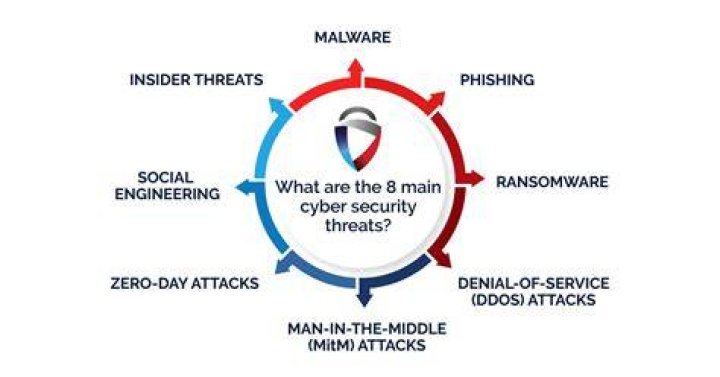
Free streaming sites that don't require subscriptions often rely on aggressive advertising networks to generate revenue. These ad networks frequently serve malicious content, including malware, phishing attempts, and unwanted software installations. Unlike reputable platforms with strict ad vetting processes, unauthorized sites have minimal quality control over advertisements displayed to users.
Clicking on pop-ups, banner ads, or even the play button on some streaming pages can trigger automatic downloads or redirect you to fraudulent websites. These sites may impersonate legitimate services to harvest login credentials, credit card information, or personal data. Drive-by downloads can install ransomware, spyware, or cryptominers on your device without explicit consent.
Common Malware Threats on Free Streaming Sites
Trojans disguised as video players or necessary plugins represent one of the most prevalent threats. Users may encounter prompts claiming they need to install updated codecs or media players to view content. These installers often bundle malicious software that can compromise system security, steal personal information, or create backdoors for remote access.
Cryptojacking scripts embedded in streaming site code can hijack your device's processing power to mine cryptocurrency for operators. This activity slows down your device, increases energy consumption, and accelerates hardware degradation. Many users don't realize their resources are being exploited until they notice significant performance issues.
Privacy Concerns When Using bflix
Data privacy represents another critical consideration for users of platforms like bflix. Unlike regulated streaming services with published privacy policies and data protection compliance, unauthorized sites often lack transparency about data collection practices. Your browsing activity, IP address, device information, and viewing habits may be tracked and sold to third parties without your knowledge or consent.
These platforms rarely implement proper encryption or security measures to protect user data. Information transmitted between your device and their servers may be vulnerable to interception by malicious actors. Without HTTPS encryption, login credentials, payment information (if applicable), and personal details can be captured by cybercriminals monitoring network traffic.
What Data Gets Collected
Streaming platforms collect various data points to deliver content and personalize experiences. However, unauthorized sites may gather excessive information beyond what's necessary for service provision. This can include device fingerprinting, location tracking, search queries, and detailed viewing patterns that reveal personal preferences and habits.
Third-party trackers embedded in streaming sites often share data across advertising networks, creating comprehensive profiles used for targeted advertising or sold on data markets. Users have limited control over this collection and no guarantees about how information is stored, used, or eventually deleted.
Potential Legal Consequences for Users
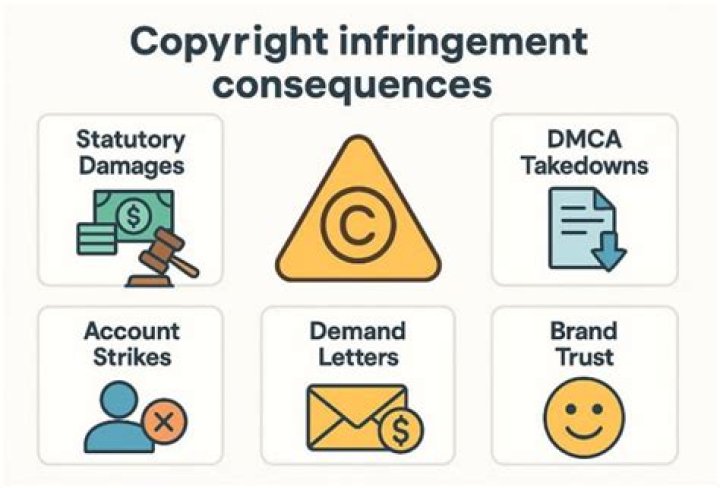
While enforcement primarily targets operators of unauthorized streaming platforms, users aren't entirely immune from legal action. Copyright holders and their representatives can identify users accessing pirated content through IP address monitoring and issue notices or pursue litigation. The likelihood and severity of consequences vary significantly by country and specific circumstances.
In some jurisdictions, internet service providers are required to forward copyright infringement notices to subscribers when rights holders identify illegal streaming activity. Repeated violations can result in service warnings, bandwidth throttling, or account suspension. More serious cases, particularly involving distribution or large-scale infringement, can lead to substantial fines or criminal charges.
Enforcement Practices Around the World
The European Union has strengthened copyright enforcement mechanisms through directives requiring platforms and ISPs to implement measures preventing infringement. Countries like Germany, France, and the United Kingdom have established graduated response systems where repeat offenders face escalating penalties. Some nations have blocked access to known piracy sites at the ISP level.
In the United States, copyright holders can pursue civil lawsuits seeking statutory damages that range from hundreds to thousands of dollars per infringed work. While individual users streaming content are less likely to be sued than those distributing it, the legal risk remains. Other countries have adopted criminal penalties for copyright infringement, though prosecution of individual streamers remains relatively rare compared to site operators.
How bflix Generates Revenue Without Subscriptions
Understanding the business model behind free streaming platforms reveals why security and privacy risks are inherent to their operation. Without subscription revenue or legitimate licensing agreements, these sites depend primarily on advertising income. This creates incentives to maximize ad impressions through aggressive placement, pop-ups, and redirects that degrade user experience and increase malware exposure.
Some platforms generate additional revenue through affiliate marketing, earning commissions when users sign up for promoted services after clicking through ads. Others employ more questionable monetization methods, including selling user data to third parties, facilitating click fraud schemes, or hosting cryptocurrency mining scripts that run in visitors' browsers.
Comparing Risks: Authorized vs Unauthorized Streaming
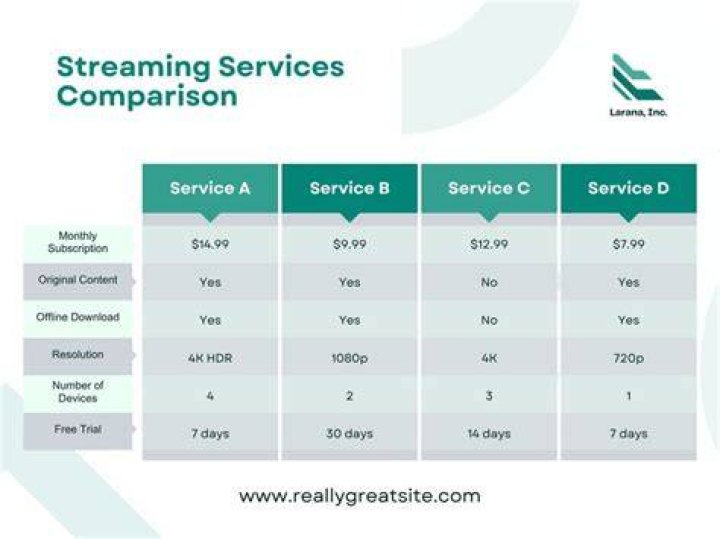
Legitimate streaming platforms invest heavily in cybersecurity infrastructure, content delivery networks, and user protection measures. They maintain compliance with data protection regulations like GDPR and CCPA, undergo regular security audits, and implement encryption standards to safeguard customer information. Subscription fees support these protections alongside content licensing costs.
Unauthorized platforms operate without these safeguards or regulatory oversight. The absence of accountability means minimal incentive to protect users from malicious ads, data breaches, or privacy violations. While legitimate services occasionally experience security incidents, they have established protocols for disclosure, remediation, and user protection that unauthorized sites completely lack.
Quality and Reliability Differences
Beyond security concerns, content quality and streaming reliability differ dramatically between authorized and unauthorized platforms. Legitimate services offer high-definition streaming, reliable playback, multiple audio tracks, subtitles, and consistent availability. They maintain extensive content libraries with proper categorization and search functionality.
Unauthorized sites frequently suffer from broken links, low video quality, incomplete content, intrusive advertisements, and unreliable servers. Users may encounter frequent buffering, sudden site unavailability, or content removal without notice. The frustration of poor user experience compounds the security and legal risks inherent to these platforms.
Protective Measures If You Choose to Stream
Users who proceed with accessing platforms like bflix despite the risks should implement multiple layers of protection. A reputable virtual private network encrypts your internet traffic and masks your IP address, making it harder for third parties to monitor your streaming activity or identify your location. However, VPNs don't eliminate legal risks or protect against malware embedded in streaming sites themselves.
Comprehensive antivirus and anti-malware software provides essential defense against malicious downloads and scripts. Keep this software updated and run regular scans to detect threats before they compromise your system. Browser extensions that block ads and scripts can prevent many malicious ads from loading, though determined sites may restrict access when ad blockers are detected.
Additional Security Best Practices
Never download software, plugins, or updates prompted by streaming sites. Legitimate content plays directly in your browser without requiring special installations. Avoid entering personal information, email addresses, or creating accounts on unauthorized platforms, as this data may be compromised or sold.
Use a dedicated browser for streaming that isn't connected to your primary accounts or saved passwords. Consider browsing in private or incognito mode to limit tracking capabilities. Regularly clear cookies, cache, and browsing history to remove potential tracking elements left by streaming sites.
Legal Alternatives Worth Considering

Numerous legitimate streaming options provide extensive content libraries at reasonable prices. Major platforms offer free trials, student discounts, and family plans that reduce per-person costs. Services like Tubi, Pluto TV, and Crackle provide ad-supported streaming completely free and legally, with content licensed through proper agreements.
Many content creators and studios release material on YouTube or their official websites at no cost. Public libraries increasingly offer free streaming services to cardholders, providing access to movies, TV shows, and educational content. These alternatives deliver entertainment without the security risks, privacy concerns, or legal jeopardy associated with unauthorized platforms.
Evaluating Cost vs Risk
Subscription costs for legitimate streaming services represent a small fraction of the potential consequences from malware infections, identity theft, or legal action. A comprehensive antivirus suite alone costs more than many streaming subscriptions, and recovering from a serious security breach can require significant time and expense.
The value proposition of free streaming diminishes when accounting for hidden costs: degraded device performance, data compromise, poor viewing experience, and the ethical implications of consuming content without compensating creators. Legitimate services support the entertainment industry and ensure continued production of quality content.
What Internet Service Providers Can See
ISPs have visibility into all unencrypted traffic passing through their networks, including the websites you visit and potentially the specific content you stream. Many ISPs implement traffic monitoring systems to detect illegal file sharing and streaming activity. When copyright holders identify infringement, they can issue DMCA notices or similar legal complaints that ISPs are obligated to forward to subscribers.
Some providers log user activity and may be compelled to share this information with law enforcement or rights holders through legal processes. Multiple infringement notices can result in account penalties under graduated response systems implemented by some ISPs. While streaming typically generates less concern than downloading or uploading copyrighted material, the activity remains detectable.
The Broader Impact of Piracy on Content Creation
Beyond individual legal and security risks, unauthorized streaming affects the entire entertainment ecosystem. Content creators, from major studios to independent filmmakers, rely on licensing revenue to fund production. Piracy undermines these revenue streams, potentially reducing budgets for future projects and limiting the diversity of available content.
The economic impact extends beyond production companies to actors, crew members, writers, and countless other professionals whose livelihoods depend on the entertainment industry. While streaming piracy may seem victimless at the individual level, the aggregate effect influences what content gets produced and how creators are compensated for their work.
Final Thoughts
The question of whether bflix is safe and legal has no simple answer, but the evidence points clearly toward significant risks on both fronts. Security vulnerabilities, privacy concerns, and potential legal consequences create a problematic combination for users seeking convenient entertainment. While the platform may offer free access to content, this comes at substantial cost in terms of malware exposure, data privacy, and legal jeopardy.
Making informed decisions about streaming requires weighing convenience against consequences. Legitimate alternatives provide safer, legal access to extensive content libraries while supporting creators and maintaining the entertainment ecosystem. For those who value security, privacy, and legal compliance, authorized streaming services represent the clear choice despite associated subscription costs. Understanding these trade-offs empowers you to choose streaming options that align with your priorities and risk tolerance.
Explore More on Bflix
Thank you for reading! For more comprehensive guides and site pages, return to the Bflix Homepage .
