How to Use bflix: Complete Beginner's Guide to Free Streaming
Ready to explore bflix?
Direct portal access to bflix.
Finding reliable platforms for streaming movies and TV shows without subscription fees can be challenging. bflix has emerged as a popular choice for viewers seeking free access to entertainment content. This guide walks you through everything you need to know about using the platform, from your first visit to finding and watching your favorite content.
Whether you're new to free streaming services or transitioning from paid platforms, understanding how to navigate bflix effectively will enhance your viewing experience. We'll cover the essential steps, features, and practical tips to help you get started immediately.
Getting Started with the Platform Interface
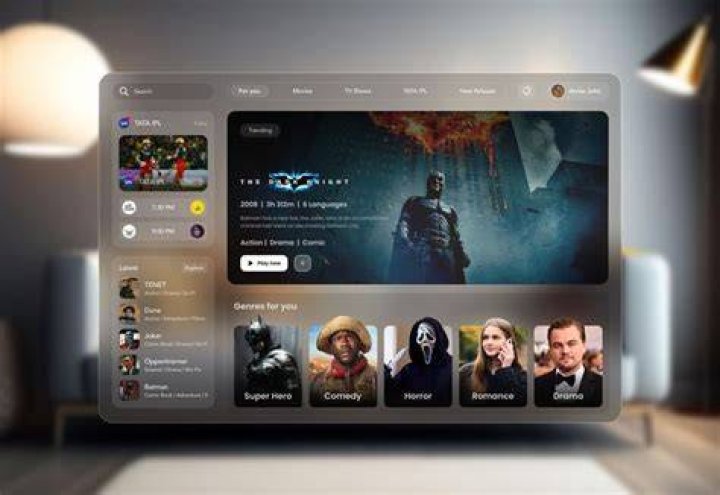
The first step to using bflix is accessing the platform through your web browser. Unlike traditional streaming services, there's no registration required, which means you can start watching content within seconds of landing on the homepage. The interface is designed with simplicity in mind, featuring a clean layout that displays trending content prominently.
When you arrive at the main page, you'll notice several key elements. The search bar sits at the top, allowing quick access to specific titles. Below that, you'll find categorized sections showcasing popular movies, recent TV show episodes, and trending content. The navigation menu typically includes options for movies, TV series, genres, and sometimes country-specific content.
Understanding the Homepage Layout
The homepage serves as your launching point for discovering content. Most free streaming platforms organize content into horizontal scrolling rows, each representing different categories or themes. You might see sections like "Trending Now," "Recently Added," "Popular Movies," or genre-specific collections.
Each content thumbnail displays essential information including the title, release year, and quality indicators. Hovering over or clicking these thumbnails usually reveals additional details such as a brief synopsis, runtime, and available streaming quality options.
Searching for Movies and TV Shows
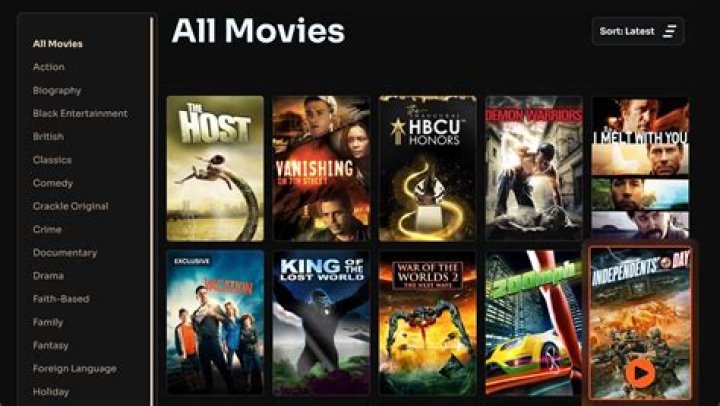
The search function is your most powerful tool for finding specific content quickly. Simply type the movie or TV show title into the search bar, and results appear almost instantly. The search algorithm typically recognizes partial titles, alternative names, and even common misspellings to help you find what you're looking for.
Search results display as a grid of thumbnails with basic information. You can refine results by applying filters such as release year, genre, or content type. This becomes particularly useful when you remember certain details about a title but not the exact name.
Using Advanced Search Filters
Beyond basic title searches, many users find advanced filtering options helpful for content discovery. Genre filters let you browse specific categories like action, comedy, thriller, or documentary. Year filters help you find classic films or the latest releases. Quality filters ensure you can prioritize HD or 4K content when available.
Some platforms also offer sorting options that arrange results by popularity, release date, or IMDb rating. These features help you discover highly-rated content within your preferred genres without endless scrolling.
Playing and Controlling Video Content
Once you've selected a title, clicking on it takes you to the dedicated content page. This page typically displays detailed information including the full synopsis, cast list, director, genres, and user ratings. You'll see one or more "Play" or "Watch Now" buttons that initiate streaming.
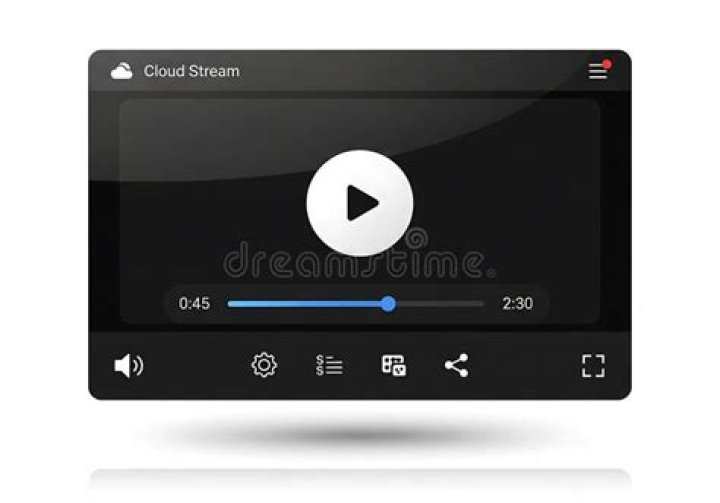
After clicking play, the video player loads with standard controls. The interface includes a play/pause button, volume control, quality selector, and fullscreen toggle. Most players also feature a timeline scrubber that lets you jump to specific moments in the content. You can click and drag this bar to skip intros, rewatch scenes, or fast-forward through sections.
Adjusting Playback Quality
Video quality settings directly impact both viewing experience and bandwidth consumption. The quality selector, usually marked with options like 360p, 480p, 720p, or 1080p, lets you choose based on your internet speed and device capabilities. Lower quality settings work better on slower connections and consume less data, while higher settings provide sharper images on large screens.
Many platforms auto-detect your connection speed and select an appropriate quality by default. However, you can manually override this selection at any time during playback. The change typically takes effect within a few seconds as the player buffers the new stream.
Managing Multiple Server Options
Free streaming platforms often provide multiple server options for each title. When you click play, you might see buttons labeled "Server 1," "Server 2," or similar designations. These represent different hosting sources for the same content, serving as backups if one server experiences issues.
If a video won't load, buffers excessively, or shows poor quality despite your settings, switching to an alternative server often resolves the problem. Each server may have different characteristics—some load faster, others provide better quality, and certain servers work better in specific geographic regions. Testing different servers helps you identify which performs best for your connection.
Troubleshooting Playback Issues
Occasional playback problems are common with free streaming platforms. If a video won't start, first try refreshing the page or switching servers. Clearing your browser cache and cookies can resolve persistent issues. Disabling browser extensions, particularly ad blockers, sometimes helps since they can interfere with player functionality.
Connection speed plays a crucial role in streaming quality. If buffering occurs frequently, lower the playback quality or pause the video to let it buffer ahead. Running speed tests helps you determine if your internet connection is the bottleneck.
Browsing Content by Categories and Genres
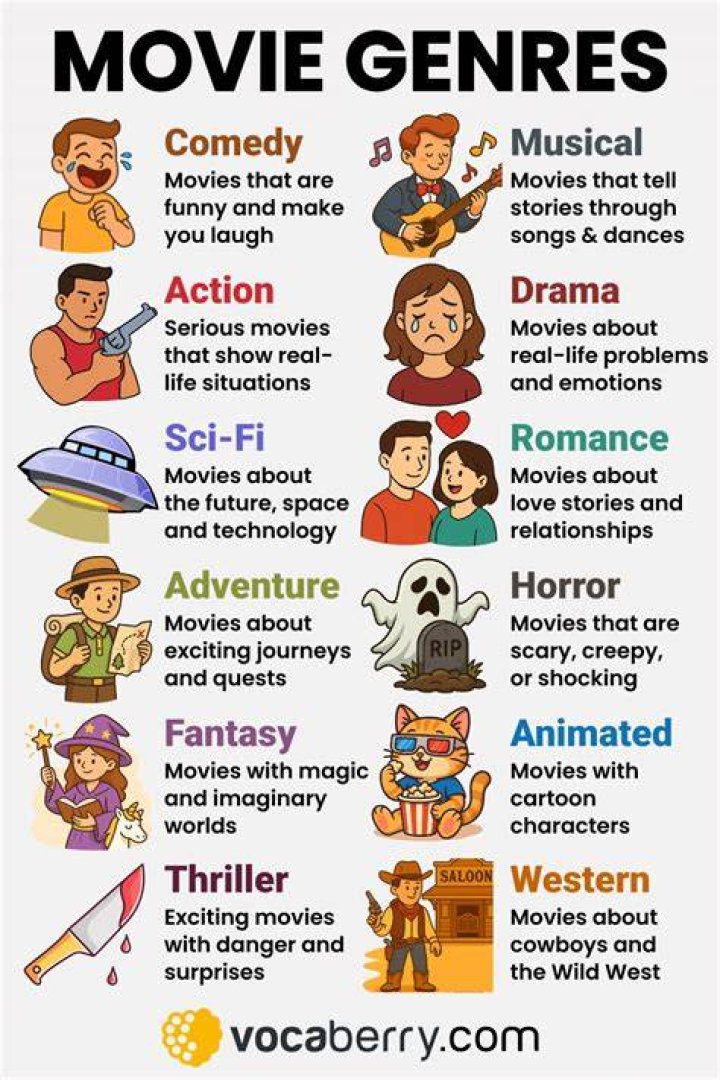
Genre browsing offers an excellent way to discover new content that matches your interests. The genre menu typically includes standard categories like Action, Comedy, Drama, Horror, Science Fiction, Romance, and Documentary. Clicking any genre takes you to a curated collection of titles within that category.
These genre pages usually display content in a grid format with options to sort by various criteria. You can explore recent additions, highest-rated titles, or most-watched content within each genre. This systematic approach helps you find hidden gems that might not appear on the main homepage.
Exploring Regional and Language-Specific Content
Many platforms organize content by country or language, recognizing the global demand for diverse entertainment. You might find sections dedicated to Hollywood blockbusters, British television, Korean dramas, Bollywood films, or anime series. These regional categories help international viewers access content in their preferred language or discover foreign productions.
Language filters and subtitle options further enhance accessibility. Some titles offer multiple audio tracks, letting you switch between languages. Subtitle availability varies by title, but popular content typically includes English subtitles and sometimes additional language options.
Understanding TV Series Episodes and Seasons
Navigating TV series requires understanding how platforms organize episodic content. When you select a TV show, you'll see a season selector, usually displayed as dropdown menus or tabs. Choosing a season reveals all available episodes listed in order.
Each episode listing shows the episode number, title, and sometimes a thumbnail and brief description. Clicking an episode works the same as playing a movie—you're taken to the video player with the same controls and server options. Many platforms remember your progress, making it easy to continue watching where you left off.
Tracking Your Viewing Progress
While bflix and similar platforms typically don't require accounts, browser cookies may store viewing history and progress markers. This means when you return to a partially-watched episode or movie, you might see an option to resume from where you stopped. However, clearing cookies or switching browsers removes this history.
For consistent progress tracking across devices, consider noting which episode you're on manually or using browser bookmarks for series you're actively watching. Some users keep a simple list outside the platform to track their viewing across multiple series.
Dealing with Advertisements and Pop-ups
Free streaming platforms typically generate revenue through advertising. You'll likely encounter ads in various forms—banner ads on the page, pop-up windows when clicking play, or video ads before content starts. Understanding how to navigate these elements improves your experience significantly.
When clicking the play button, new tabs or windows might open with advertisements. Simply close these without interacting with the content, then return to your original tab where the video should be loading. After a few seconds, you'll typically need to click play again to start the actual content.
Using Browser Tools Effectively
Modern browsers include built-in pop-up blockers that prevent many unwanted windows from opening. Enabling this feature in your browser settings reduces interruptions significantly. However, be aware that aggressive blocking might also prevent the video player from loading properly, requiring you to whitelist specific elements.
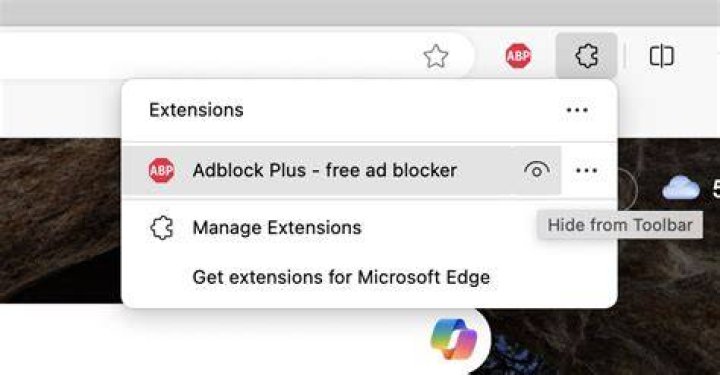
Ad blocker extensions offer another layer of protection but can sometimes interfere with video playback. If you use ad blockers and experience issues, try temporarily disabling them for the streaming site or adjusting their settings to allow video players while blocking other ad types.
Optimizing Your Streaming Setup
Your hardware and software configuration impacts streaming quality and reliability. For the best experience, ensure your browser is updated to the latest version. Modern browsers handle video streaming more efficiently and support better compression codecs. Chrome, Firefox, Edge, and Safari all work well with most streaming platforms.
Internet connection speed determines the maximum quality you can stream without buffering. A stable connection of at least 5 Mbps supports 720p HD streaming comfortably, while 10 Mbps or higher enables 1080p Full HD viewing. Wired ethernet connections provide more stability than WiFi, which can help if you experience frequent buffering or quality drops.
Device Compatibility Considerations
bflix and similar platforms work across various devices including desktop computers, laptops, tablets, and smartphones. The mobile browsing experience adapts to smaller screens, though some features might be simplified. Desktop viewing typically offers the most comprehensive feature set and easiest navigation.
For TV viewing, you can use screen mirroring features from smartphones or tablets, connect a laptop to your TV via HDMI, or use streaming devices with built-in browsers. Each method has advantages—direct laptop connections usually provide the most reliable playback, while casting offers convenience despite potential connection issues.
Safety and Privacy Practices
Staying safe while using free streaming platforms requires awareness and basic precautions. Never download files from pop-up ads or suspicious links. Legitimate streaming platforms play content directly in your browser without requiring software installations. Any prompts to install video players, codecs, or other software are typically malicious.
Avoid entering personal information on streaming sites. Since these platforms don't require registration, there's no legitimate reason to provide email addresses, credit card numbers, or other sensitive data. If you encounter forms requesting such information, close them immediately and report the incident.
Using VPN Services for Additional Privacy
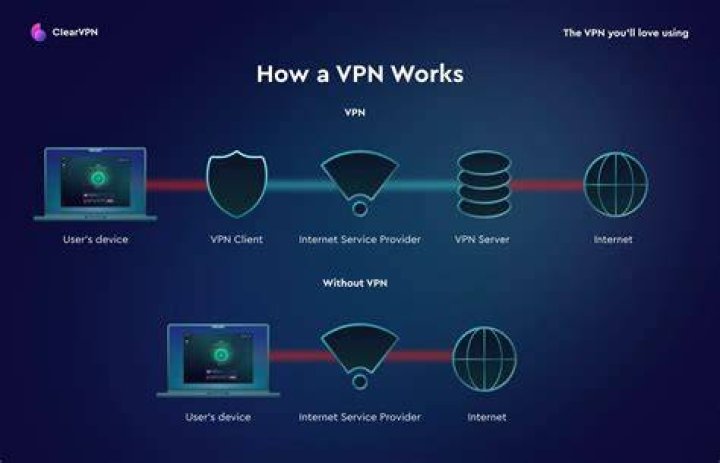
Virtual Private Networks encrypt your internet traffic and mask your IP address, adding a layer of privacy when streaming. Many users choose VPN services to protect their online activity from internet service providers and potential security threats. VPNs can also help access content that might be restricted in certain regions.
When selecting a VPN for streaming, prioritize services with fast speeds, no logging policies, and servers in multiple countries. Free VPNs often have speed limitations that cause buffering issues, so paid services typically provide better streaming experiences.
Maximizing Content Discovery
Beyond search and genre browsing, several strategies help you discover great content. The trending sections highlight what other users are watching, often surfacing popular new releases and cult classics experiencing renewed interest. These sections update regularly, providing fresh recommendations each time you visit.
IMDb ratings and user reviews, when available, offer guidance on content quality. Higher-rated titles generally indicate better production values, storytelling, and overall viewer satisfaction. However, personal taste varies significantly, so exploring different types of content helps you understand your preferences.
Creating Your Own Watchlist System
Since most free platforms lack built-in watchlist features, creating your own system ensures you don't forget interesting titles. Browser bookmarks work well for organizing content—create a folder for movies and TV shows you want to watch later, then bookmark specific title pages. Alternatively, maintain a simple note file or use dedicated tracking apps like Trakt or Letterboxd.
Taking screenshots of titles that interest you provides visual reminders when browsing later. Some users prefer spreadsheets where they can add notes about why they saved each title or track which friends recommended specific content.
Understanding Video Quality Indicators

Content listings often include quality badges like CAM, HDTS, HDRip, WEBRip, or BluRay. These labels indicate the source and quality of the video file. CAM recordings, made in theaters with cameras, have the lowest quality with visible audience members and poor audio. HDTS (High Definition Telesync) represents a slight improvement but still includes theater recording artifacts.
WEBRip and WEB-DL files come from official streaming services, offering excellent quality without theater recording issues. BluRay rips provide the highest quality, taken from physical media releases. Understanding these distinctions helps you choose the best available version of any title.
Mobile Streaming Tips and Techniques
Streaming on mobile devices requires specific considerations. Data consumption becomes a primary concern when using cellular networks rather than WiFi. Lowering video quality to 480p or less significantly reduces data usage, helping you stay within mobile plan limits. Most streaming platforms automatically adjust quality based on connection type, but manual override options let you prioritize data savings.
Battery life also matters during mobile streaming. Video playback drains batteries quickly, especially at higher brightness levels and quality settings. Reducing screen brightness, closing background apps, and enabling battery saver modes extend viewing time. Consider using headphones or earbuds instead of device speakers, which consume more power.
Optimizing the Mobile Browser Experience
Mobile browsers handle streaming differently than desktop versions. Rotating your device to landscape mode provides a larger viewing area and often triggers the player's fullscreen mode automatically. Some browsers support picture-in-picture mode, letting you watch videos in a floating window while using other apps.
Pop-up behavior differs on mobile platforms. Many mobile browsers block pop-ups more aggressively than desktop versions, which can help with ad management but sometimes prevents video players from loading. Adjusting these settings in your browser's configuration menu resolves most issues.
Troubleshooting Common Technical Problems
When videos won't load at all, the issue often stems from browser compatibility or cached data. Trying a different browser helps identify browser-specific problems. If the issue persists across browsers, your internet connection might be unstable or too slow for streaming. Running connection tests and restarting your router can resolve network issues.
Audio-video sync problems occasionally occur, particularly with certain server options. Switching servers usually fixes sync issues immediately. If problems continue, refreshing the page forces the player to reload, which often corrects timing problems. In rare cases, the source file itself has sync issues that no troubleshooting can fix—trying the same title later often shows it's been replaced with a corrected version.
Keyboard Shortcuts for Efficient Navigation
Most video players support keyboard shortcuts that streamline control. The spacebar toggles play and pause, while arrow keys let you skip forward or backward in small increments. Pressing 'F' typically enters or exits fullscreen mode. Volume controls respond to up and down arrow keys when the player is focused.
Learning these shortcuts improves your viewing experience significantly. You can adjust volume, skip credits, or pause quickly without reaching for the mouse. Different players might use slightly different shortcuts, but the basic controls remain consistent across most platforms.
Final Thoughts
Using bflix effectively comes down to understanding the interface, knowing how to navigate content libraries, and implementing basic safety practices. The platform's no-registration approach makes starting simple, while features like multiple servers and quality options provide flexibility for different viewing situations. Whether you're watching on desktop, mobile, or casting to a TV, the core navigation principles remain the same.
Remember that streaming quality depends heavily on your internet connection and device capabilities. Taking time to optimize your setup—updating browsers, managing extensions, and ensuring stable connectivity—directly improves your experience. With these fundamentals mastered, you're ready to explore the extensive content library and enjoy free streaming without unnecessary complications.
Explore More on Bflix
Thank you for reading! For more comprehensive guides and site pages, return to the Bflix Homepage .
