bflix Not Working? Troubleshooting Common Streaming Issues & Fixes
Ready to explore bflix?
Direct portal access to bflix.
Streaming interruptions can disrupt your viewing experience right when you're invested in a show or movie. When bflix stops working properly, the frustration sets in quickly—whether you're facing endless loading screens, error messages, or complete inability to access content. Understanding the root causes behind these streaming problems helps you get back to watching faster.
Most streaming issues stem from a handful of common culprits that affect platforms across the board. Network connectivity problems, browser complications, cache buildup, and server-side disruptions all play roles in preventing smooth playback. This guide walks through practical solutions that address each potential problem systematically.
Check Your Internet Connection First
Internet connectivity issues cause the majority of streaming failures. Before diving into complex troubleshooting, verify that your connection meets basic streaming requirements. Run a speed test to confirm you're getting adequate download speeds—ideally 5 Mbps minimum for standard definition and 25 Mbps for high definition content.
Weak WiFi signals create buffering and loading problems even when your internet plan provides sufficient bandwidth. Physical distance from your router, walls, and interference from other devices all degrade signal strength. Try moving closer to your router or switching to a wired ethernet connection to eliminate WiFi variables from the equation.
Restart Your Network Equipment
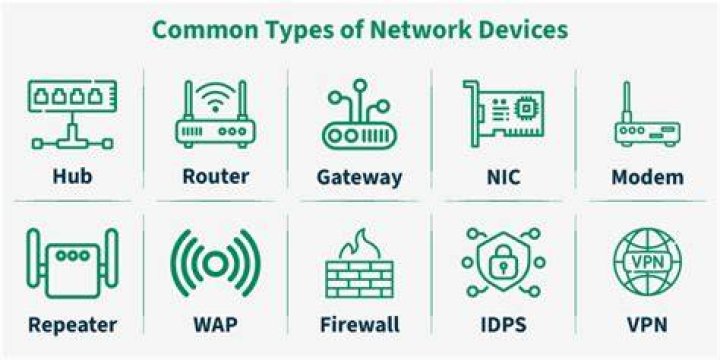
Power cycling your modem and router resolves temporary connectivity glitches that accumulate over time. Unplug both devices, wait thirty seconds, then reconnect them starting with the modem. This simple reset clears network congestion and refreshes your IP address, often restoring normal streaming functionality.
Disconnect Other Devices
Multiple devices streaming simultaneously or downloading large files compete for bandwidth. If family members are watching videos, gaming online, or running updates, your available bandwidth shrinks considerably. Temporarily disconnect other devices to determine if bandwidth limitations are causing playback issues on bflix.
Clear Browser Cache and Cookies
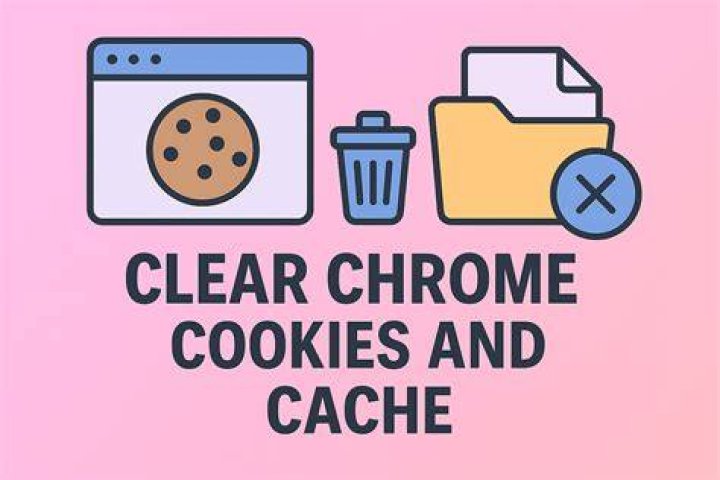
Accumulated cache and cookies eventually interfere with website functionality. These stored files help websites load faster on repeat visits, but corrupted or outdated data causes loading errors and playback failures. Clearing your browser's cache removes this problematic data and forces fresh downloads of site resources.
Each browser handles cache clearing differently, but the process follows similar steps. Access your browser settings, locate privacy or history options, and select the option to clear browsing data. Make sure to select cached images and files along with cookies—choosing a time range of "all time" ensures complete removal.
Clear Cache in Chrome
Chrome users should press Ctrl+Shift+Delete (or Cmd+Shift+Delete on Mac) to open the clear browsing data dialog. Select "Cached images and files" and "Cookies and other site data," then click the clear data button. Restart Chrome completely before attempting to access bflix again.
Clear Cache in Firefox
Firefox stores cache separately from cookies in its clearing options. Navigate to Settings, then Privacy & Security, and scroll to the Cookies and Site Data section. Click "Clear Data" and ensure both cookies and cached web content are selected before confirming.
Update or Switch Your Browser
Outdated browsers lack support for modern web technologies that streaming platforms require. Video codecs, HTML5 features, and security protocols evolve constantly—running old browser versions means missing critical updates. Check for available updates in your browser's help or about section.
Browser compatibility varies between streaming services. If updating doesn't resolve the problem, try accessing bflix through a different browser entirely. Chrome, Firefox, Edge, and Safari each handle video playback slightly differently. What fails in one browser often works perfectly in another.
Enable JavaScript and Cookies
Streaming platforms depend on JavaScript for video player functionality and cookies for session management. Disabled JavaScript prevents video players from loading at all, while blocked cookies interfere with content access and authentication. Verify both features are enabled in your browser's site settings or privacy controls.
Disable Browser Extensions and Ad Blockers

Browser extensions enhance functionality but sometimes conflict with streaming services. Ad blockers, privacy tools, and VPN extensions frequently interfere with video playback by blocking scripts or modifying requests. These conflicts manifest as blank screens, loading errors, or completely missing video players.
Test in incognito or private browsing mode to quickly determine if extensions are causing problems. These modes disable most extensions by default, providing a clean environment. If bflix works in incognito mode, the culprit is definitely an extension in your normal browsing session.
Identify Problematic Extensions
Systematically disable extensions one at a time to pinpoint the troublemaker. Start with ad blockers and VPN tools since these most commonly cause streaming conflicts. After disabling an extension, refresh bflix to check if playback resumes. Once identified, either keep that extension disabled for streaming sites or look for alternative extensions without compatibility issues.
Check if the Service is Down
Server outages and maintenance periods occasionally affect streaming platforms. Before spending time troubleshooting your setup, verify whether bflix is experiencing widespread problems. Server-side issues affect all users simultaneously and require patience rather than local fixes.
Visit down detector websites or check social media platforms where users report outages in real time. Twitter searches for the platform name combined with "down" or "not working" quickly reveal if others are experiencing identical problems. If servers are down, the only solution is waiting for the service to restore functionality.
Try a Different Device or Network
Testing on alternative devices helps isolate whether problems stem from your computer or something else. Try accessing bflix from your smartphone, tablet, or another computer. If streaming works elsewhere, the issue lies within your original device's configuration rather than your network or the service itself.
Switching networks provides similar diagnostic value. Attempt streaming over mobile data instead of home WiFi, or vice versa. Network-specific restrictions, DNS problems, or ISP throttling sometimes block access to particular services. Successfully streaming on a different network points to issues with your primary connection.
Update Your Operating System and Drivers
Operating system updates include critical security patches and compatibility improvements for web technologies. Outdated systems lack proper support for modern video codecs and HTML5 standards. Check for available OS updates through your system settings—Windows Update, macOS Software Update, or your Linux distribution's package manager.
Graphics drivers directly affect video playback performance. Outdated or corrupted display drivers cause stuttering, artifacts, or complete playback failures. Visit your graphics card manufacturer's website (NVIDIA, AMD, or Intel) to download the latest drivers, or use Windows Device Manager to search for driver updates automatically.
Adjust Video Quality Settings
High-definition streams require substantially more bandwidth than standard definition. If your connection can't maintain the data rate needed for HD playback, videos will constantly buffer or fail to start. Most streaming platforms including bflix offer quality settings that let you manually select lower resolutions.
Lower the video quality to 480p or 720p and observe whether playback improves. Smooth streaming at reduced quality confirms bandwidth limitations as the root cause. You can then address network issues or accept lower quality as a temporary workaround during peak usage times when congestion is worst.
Disable VPN or Proxy Connections
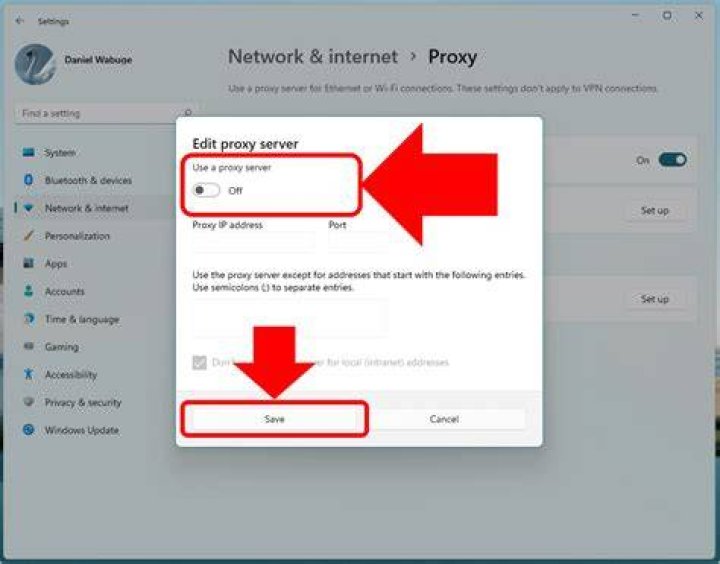
VPNs and proxies route your traffic through remote servers, adding latency and sometimes triggering access restrictions. Streaming services detect VPN usage and may block content or prevent access entirely. Connection speeds also suffer when routing through distant servers, causing buffering even with adequate base bandwidth.
Temporarily disable your VPN or proxy service and attempt streaming without it. If this resolves the problem, either keep the VPN off while streaming or try different VPN servers. Some servers maintain better speeds and avoid detection better than others.
Reset Your Browser Settings
Corrupted browser configurations cause persistent problems that cache clearing alone won't fix. Resetting your browser to default settings removes custom configurations, problematic preferences, and potential corruption. This nuclear option should come after trying other solutions since it removes saved passwords and preferences.
Access reset options through your browser's advanced settings menu. Chrome offers a "Restore settings to their original defaults" option, while Firefox provides "Refresh Firefox" that preserves bookmarks and passwords while resetting everything else. Expect to reconfigure your browser preferences and reinstall necessary extensions after resetting.
Contact Your Internet Service Provider
ISPs sometimes throttle bandwidth to streaming services during peak hours or implement blocks for specific websites. If you've exhausted all other troubleshooting and bflix still won't work on any device over your home network, contact your ISP's support team. Describe the specific symptoms and ask whether any network-level restrictions affect the service.
ISP-side problems require their intervention to resolve. They may need to adjust settings, investigate routing issues, or escalate to their engineering team. Document your troubleshooting steps before calling—this information helps support agents diagnose problems faster and prevents them from suggesting steps you've already completed.
Check for DNS Issues
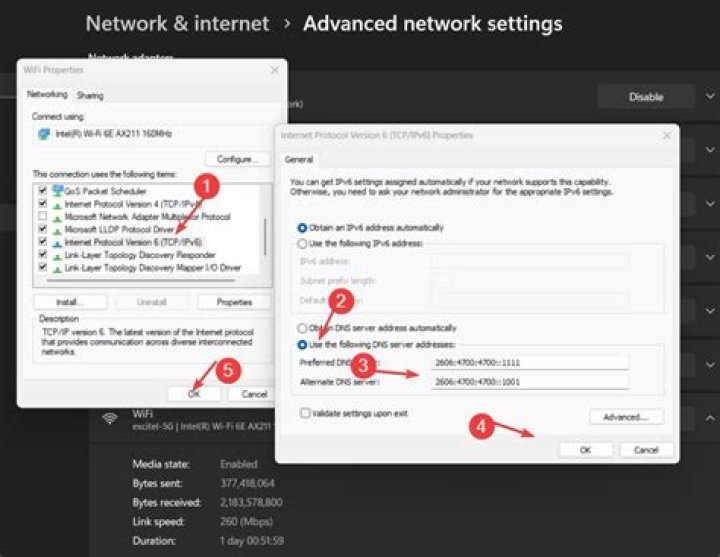
DNS servers translate website addresses into IP addresses that computers understand. Slow or unreliable DNS servers delay loading times or prevent websites from loading entirely. Your ISP's default DNS servers aren't always optimal—switching to public alternatives often improves performance.
Change your DNS settings to Google's public DNS (8.8.8.8 and 8.8.4.4) or Cloudflare's DNS (1.1.1.1). Access network settings on your device, locate DNS configuration, and manually enter these addresses. The change takes effect immediately—try accessing bflix again after applying new DNS servers.
Flush Your DNS Cache
Cached DNS entries become outdated when websites change servers. Flushing your DNS cache forces fresh lookups that reflect current configurations. On Windows, open Command Prompt and type "ipconfig /flushdns." Mac users should run "sudo dscacheutil -flushcache" in Terminal. Linux distributions use "sudo systemd-resolve --flush-caches" or similar commands depending on the distribution.
Verify Firewall and Security Software Settings
Firewalls and antivirus programs protect your computer but sometimes block legitimate streaming traffic. Security software may flag streaming sites as suspicious or block specific ports and protocols needed for video delivery. Check your firewall logs to see if bflix connections are being rejected.
Temporarily disable your firewall and antivirus software to test whether they're causing problems. If streaming works with security software disabled, add bflix to your firewall's allowed list and antivirus exceptions. Never leave security software permanently disabled—properly configure exceptions instead.
Final Thoughts
Streaming problems with bflix usually trace back to network connectivity, browser configuration, or temporary service disruptions. Working through these troubleshooting steps systematically identifies and resolves most issues. Start with simple solutions like connection checks and cache clearing before moving to more involved steps like driver updates or DNS changes.
Persistence pays off when troubleshooting streaming issues. If one solution doesn't work, move to the next rather than giving up. Most problems have straightforward fixes once you identify the root cause. Keep your browser and system updated, maintain good network practices, and you'll minimize future disruptions to your streaming experience.
Explore More on Bflix
Thank you for reading! For more comprehensive guides and site pages, return to the Bflix Homepage .
