bflix vs Netflix, Amazon Prime & Other Streaming Services: Comparison
Ready to explore bflix?
Direct portal access to bflix.
Choosing the right streaming platform has become increasingly complex as more services compete for viewer attention. While Netflix and Amazon Prime Video dominate the mainstream market with extensive libraries and original content, alternative platforms like bflix offer different approaches to content delivery and accessibility. Understanding how these services compare across pricing, content availability, user experience, and features helps viewers make informed decisions about where to invest their time and money.
This comparison examines the core differences between bflix and major streaming services, focusing on practical factors that affect daily viewing experiences. Each platform serves different audience needs, and what works best depends on individual priorities regarding content variety, budget constraints, and viewing preferences.
Subscription Models and Pricing Structures
Netflix operates on a tiered subscription model with three main plans ranging from basic to premium, each offering different video quality and simultaneous stream allowances. The basic plan provides standard definition content, while premium subscribers access 4K Ultra HD quality with support for up to four concurrent streams. Amazon Prime Video comes bundled with Amazon Prime membership, which includes additional benefits like free shipping and music streaming, making the overall value proposition different from standalone video services.
Other platforms like Disney Plus, HBO Max, and Hulu offer their own pricing tiers, typically charging monthly or annual fees with occasional promotional discounts. These services regularly adjust prices based on content investments and market competition. In contrast, bflix provides access without traditional subscription barriers, fundamentally changing the cost structure for users seeking streaming content without recurring monthly commitments.
Hidden Costs and Additional Fees
Mainstream streaming platforms often include hidden costs beyond base subscription prices. Premium channels on Amazon Prime Video require additional subscriptions, while services like Peacock and Paramount Plus offer free tiers with advertisements alongside paid ad-free options. Regional content restrictions may push viewers toward VPN services, adding another expense layer.
Users should also consider the cumulative cost of maintaining multiple subscriptions simultaneously, a common practice as content becomes increasingly fragmented across platforms. This subscription fatigue has led many viewers to seek alternatives that consolidate content access without multiplying monthly bills.
Content Library Size and Variety
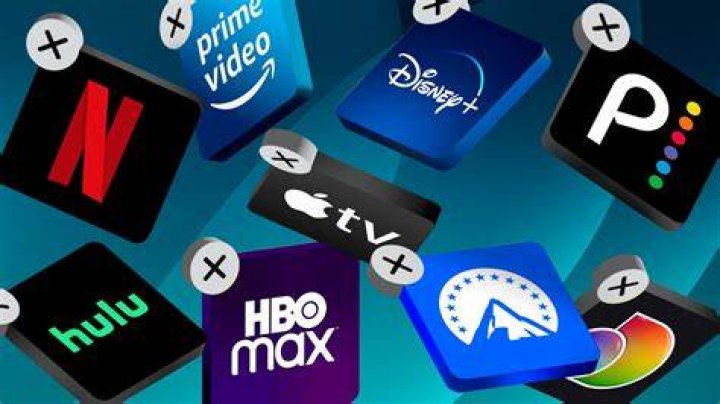
Netflix maintains one of the largest content libraries among paid streaming services, with thousands of titles spanning movies, series, documentaries, and stand-up specials. The platform invests heavily in original productions, releasing exclusive content across multiple genres and languages. Amazon Prime Video similarly offers extensive libraries with a mix of licensed content and Amazon Originals, though catalog size varies significantly by region.
Specialized services like Disney Plus focus on specific content ecosystems, offering comprehensive access to Disney, Pixar, Marvel, Star Wars, and National Geographic properties. HBO Max concentrates on premium television series and Warner Bros. theatrical releases. These focused approaches create deep rather than broad libraries, appealing to fans of particular franchises or content types.
Platforms like bflix aggregate content from various sources, providing access to titles that may appear across multiple paid services. This aggregation model offers breadth that single-service subscriptions cannot match, though content availability fluctuates based on licensing and sourcing dynamics.
Original Content and Exclusives
Investment in original programming distinguishes major streaming platforms from aggregators. Netflix spends billions annually producing exclusive series and films designed to attract and retain subscribers. Shows like Stranger Things, The Crown, and Squid Game became cultural phenomena partly because they were only available on Netflix.
Amazon Studios produces award-winning originals including The Marvelous Mrs. Maisel and The Boys, while Apple TV Plus bases its entire strategy on exclusive, high-budget productions. These originals create competitive moats that justify subscription costs but also fragment content access across multiple platforms.
Video Quality and Streaming Performance
Netflix offers video quality ranging from 480p standard definition to 4K Ultra HD with HDR support, though higher resolutions require premium subscriptions and compatible devices. The platform uses adaptive bitrate streaming to optimize quality based on connection speeds, ensuring smooth playback even on slower networks. Amazon Prime Video similarly provides up to 4K HDR content for select titles, with automatic quality adjustment based on bandwidth availability.
Other major services like Disney Plus and Apple TV Plus emphasize high-quality streaming with 4K HDR available on most original content without tier restrictions. However, actual streaming quality depends heavily on internet connection stability, device capabilities, and server load during peak viewing times.
Alternative platforms including bflix typically offer variable quality options depending on source availability. Users may encounter different resolutions for different titles, with quality ranging from standard definition to high definition. Buffering performance varies based on server infrastructure and user demand, factors that premium services generally handle more consistently through substantial technology investments.
User Interface and Experience Design
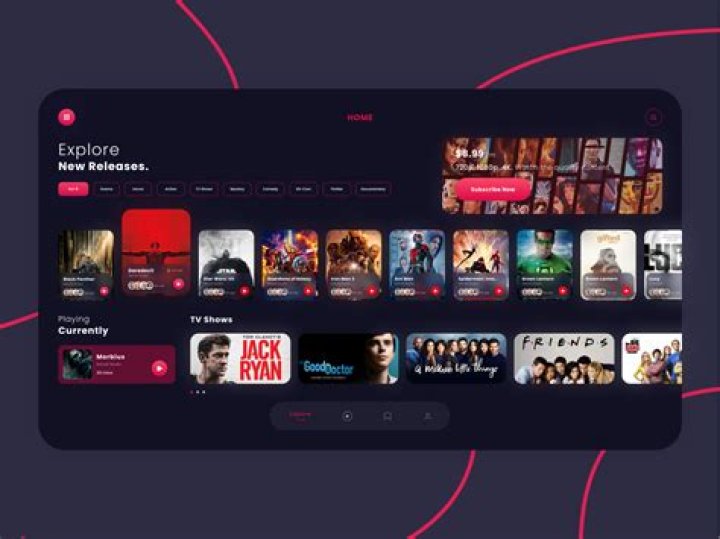
Netflix pioneered many interface conventions now standard across streaming platforms, including personalized recommendations, auto-play previews, and profile-based customization. The interface emphasizes content discovery through algorithmic suggestions and curated categories. Amazon Prime Video integrates shopping features and rental options alongside included content, creating a more complex navigation experience that some users find cluttered.
Disney Plus and Apple TV Plus offer cleaner, more streamlined interfaces focused primarily on content consumption without additional commerce features. These platforms prioritize visual presentation with high-quality artwork and minimal menu complexity. Accessibility features like subtitles, audio descriptions, and playback speed controls have become standard across major services.
Platforms like bflix typically feature more straightforward interfaces optimized for content search and playback rather than personalization algorithms. The simplified approach reduces system requirements and loads faster on various devices, though it may lack the sophisticated recommendation engines that help users discover new content on premium platforms.
Cross-Device Compatibility
Major streaming services maintain apps across virtually every platform including smart TVs, streaming devices, gaming consoles, smartphones, tablets, and web browsers. This universal compatibility ensures users can access content regardless of hardware preferences. Profile syncing keeps watch progress and preferences consistent across devices.
Smaller or alternative platforms may have limited device support, requiring users to access content primarily through web browsers rather than dedicated apps. This limitation affects convenience but reduces barriers for users who prefer not to install multiple streaming applications.
Content Discovery and Search Capabilities
Netflix employs sophisticated algorithms analyzing viewing habits, ratings, and behavioral patterns to suggest content matching individual preferences. The recommendation system continuously learns from user interactions, creating personalized homepages for each profile. Search functionality includes filters for genre, release year, and content type, though some users find the heavy emphasis on algorithmic curation makes browsing specific categories difficult.
Amazon Prime Video offers robust search with filters for included versus paid content, helping users avoid accidentally selecting rental titles. The integration with IMDb provides detailed information about cast, crew, and user ratings directly within the platform. However, the mixing of subscription content with rentals and purchases creates navigation friction that other services avoid.
Alternative platforms often implement straightforward search functions focusing on title, genre, and release year without complex recommendation algorithms. While bflix and similar services may lack personalization features, they often provide clearer category browsing and direct search results without promotional interference or algorithmic bias toward particular content types.
Geographic Availability and Content Restrictions

Netflix operates in over 190 countries but offers different content libraries based on regional licensing agreements. A title available in the United States may be unavailable in Europe or Asia, and vice versa. These geographic restrictions result from complex entertainment industry licensing structures where distribution rights are sold separately by territory.
Amazon Prime Video faces similar regional variations, with content availability tied to where distribution rights have been secured. Some services like Disney Plus launched initially in limited markets before gradually expanding globally, while others remain restricted to specific countries indefinitely. VPN usage to circumvent geographic restrictions violates most streaming services' terms of service and may result in account suspension.
Platforms operating outside traditional licensing frameworks may offer more consistent content availability across regions, though this comes with legal and ethical considerations users should understand. The geographic flexibility of services like bflix appeals to international audiences frustrated by arbitrary content restrictions, though availability and reliability may vary based on location.
Offline Viewing and Download Options
Netflix allows subscribers to download select titles for offline viewing on mobile devices and computers, with restrictions on the number of simultaneous downloads and viewing windows before re-verification. This feature proves valuable for travelers, commuters, or users with unreliable internet connections. Amazon Prime Video offers similar offline functionality with downloads available on multiple devices depending on subscription tier.
Disney Plus, Apple TV Plus, and most major streaming services now include download capabilities as standard features, recognizing that purely streaming-dependent models limit usability in certain contexts. Downloaded content typically expires after a set period or when titles leave the service catalog, requiring periodic re-downloads for long-term storage.
Services accessed primarily through web browsers, including many alternative platforms, generally do not offer official download functionality. Users seeking offline access must rely on third-party tools or screen recording, methods that may violate terms of service and raise copyright concerns.
Advertising and Viewing Interruptions
Netflix and Disney Plus operate primarily on ad-free subscription models, though Netflix recently introduced lower-priced ad-supported tiers in some markets. Amazon Prime Video includes brief promotional content for other Amazon original shows but avoids third-party advertisements for included content. Hulu's base tier includes substantial advertising, while its premium tier removes most commercials.
Free streaming services like Peacock, Pluto TV, and Tubi rely entirely on advertising revenue, incorporating commercial breaks throughout content similar to traditional television. Ad frequency and length vary, with some platforms offering relatively light ad loads while others interrupt viewing more aggressively.
Free alternatives including bflix typically feature varying advertising implementations depending on how the platform generates revenue. Some may include pop-up ads or banner advertisements, while others may have minimal advertising presence. The trade-off between cost and ad tolerance represents a key decision factor for many viewers.
Family Features and Parental Controls
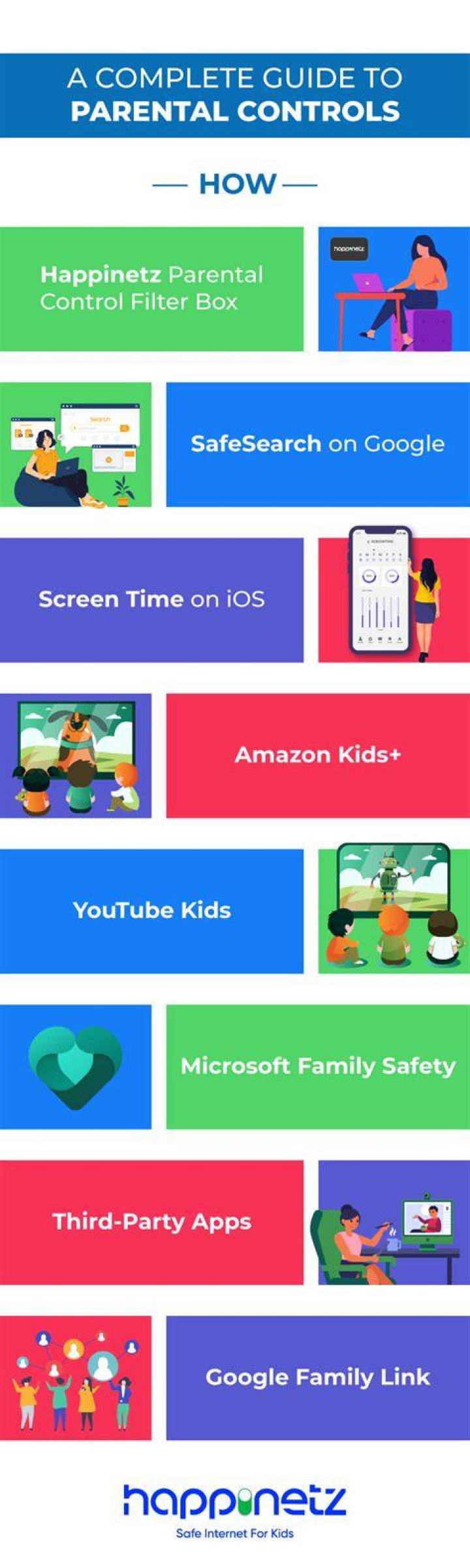
Netflix provides robust parental controls allowing guardians to restrict content by maturity rating, block specific titles, and require PIN entry for profiles. Each profile can have different age-appropriate restrictions, and the Kids profile mode limits content to age-appropriate titles with simplified interfaces. Amazon Prime Video offers similar controls with viewing restrictions, purchase blocks to prevent accidental rentals, and dedicated kids profiles.
Disney Plus includes pre-set age ratings and profile types specifically designed for children, leveraging its family-friendly content reputation. The platform allows parents to set content ratings limits and restrict access to mature content available through Star or Star Plus in certain regions. Apple TV Plus and HBO Max provide comparable parental control features, though the latter's mature content focus makes careful configuration more critical.
Alternative streaming platforms may lack comprehensive parental controls, potentially exposing younger viewers to inappropriate content. Parents using services like bflix should actively supervise viewing choices and consider whether the platform provides adequate child-safety features for their household needs.
Legal and Safety Considerations
Mainstream streaming services operate under legitimate licensing agreements with content owners, ensuring legal distribution and compensating creators. Subscriptions to Netflix, Amazon Prime Video, Disney Plus, and similar platforms support the entertainment industry's economic model, funding future content creation. These services also implement security measures protecting user data and payment information.
The legal status of alternative streaming platforms varies significantly. Some operate in legal gray areas, aggregating content without proper licensing, which may expose users to copyright infringement concerns depending on jurisdiction. Additionally, unofficial streaming sites sometimes contain malware, tracking cookies, or phishing attempts that compromise device security and personal information.
Users should research the legal standing of any streaming service in their country before use. While free access appears attractive, potential legal consequences and security risks may outweigh short-term savings. Understanding these factors helps viewers make informed choices balancing convenience, cost, and legal compliance.
Customer Support and Reliability
Established streaming platforms maintain dedicated customer support teams accessible through chat, email, and phone. Netflix and Amazon provide 24/7 support for technical issues, billing questions, and account management. These services guarantee uptime through redundant server infrastructure and content delivery networks that minimize buffering and outages.
Major platforms also offer extensive help centers with troubleshooting guides, device compatibility information, and answers to common questions. When technical problems occur, subscribers can expect relatively quick resolution through official support channels backed by substantial corporate resources.
Alternative streaming services may offer limited or no customer support, relying on community forums or FAQ pages. Server reliability can fluctuate, with unexpected downtime or broken links more common than on professionally managed platforms. Users choosing these services should expect a less polished, more variable experience regarding technical support and service consistency.
Final Thoughts
Comparing bflix with Netflix, Amazon Prime Video, and other streaming services reveals fundamental differences in business models, content strategies, and user experiences. Major platforms offer polished interfaces, extensive original content, legal compliance, and reliable technical performance, justified by subscription costs that accumulate significantly over time. These services excel at content curation, family features, and cross-device compatibility, making them suitable for viewers prioritizing convenience and supporting legitimate content distribution.
Alternative platforms like bflix appeal to budget-conscious viewers seeking broad content access without recurring fees, though this comes with trade-offs in video quality consistency, customer support, legal clarity, and feature sophistication. The best choice depends on individual priorities regarding cost, content variety, legal considerations, and desired streaming experience. Understanding these differences empowers viewers to select platforms aligning with their specific needs and values in an increasingly fragmented streaming landscape.
Explore More on Bflix
Thank you for reading! For more comprehensive guides and site pages, return to the Bflix Homepage .
